intracytoplasmic sperm injection
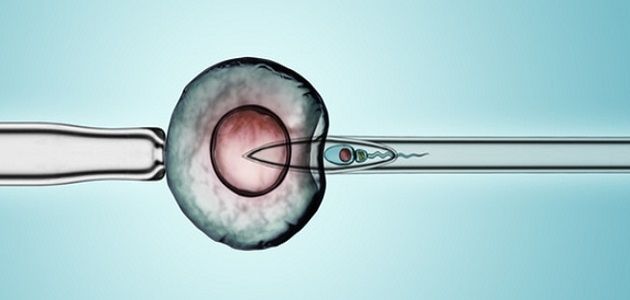
Intracytoplasmic Sperm Injection (ICSI) – Expertise of Dr. Sherif Sobhy Makes the Difference
ICSI is one of the top services provided by Dr. Sherif Sobhy, known for his long-standing experience and high success rates, helping thousands of couples fulfill their dream of parenthood.
What is ICSI?
Intracytoplasmic Sperm Injection (ICSI) is an advanced form of assisted reproductive technology used primarily in cases of male infertility or repeated IVF failures.
Stages of the ICSI Procedure:
1. Ovarian Stimulation: The wife receives medication to stimulate the ovaries to produce multiple eggs.
2. Egg Retrieval: Eggs are collected under light sedation using a fine needle.
3. Sperm Collection: Sperm is obtained from semen or surgically in severe cases.
4. Injection: A single sperm is injected directly into each egg under a microscope.
5. Embryo Culture: Fertilized eggs are monitored in the lab until they develop.
6. Embryo Transfer: Healthy embryos are transferred to the uterus after 3–5 days.
ICSI vs. IVF:
IVF: Eggs and sperm are mixed in a dish and fertilization occurs naturally.
ICSI: A single sperm is directly injected into an egg.
When is ICSI recommended?
- Severe sperm count or motility issues
- Previous IVF failures
- Egg-related problems
- Unexplained infertility
Benefits of ICSI:
- High success rates, especially in male infertility cases
- Bypasses natural fertilization barriers
- Allows genetic testing of embryos before transfer
- Excess embryos can be frozen for future use
Limitations of ICSI:
- Higher cost than other methods
- Physical and emotional stress during treatment
- Risk of ovarian hyperstimulation
- Possible failure, requiring another cycle
- Higher chance of multiple pregnancies
Gender Selection Techniques
Modern techniques allow selecting the baby's gender (boy or girl) for medical or personal reasons.
Most common methods:
1. ICSI with Genetic Testing (PGD / PGT-A)
- Fertilization outside the body
- Embryos are tested after 3–5 days to determine gender
- Desired gender embryos are transferred
Accuracy: Over 99%
Advantage: Also screens for genetic disorders
2. Sperm Sorting (MicroSort)
- Sperm are sorted based on chromosomes (X = female, Y = male)
- Selected sperm are used for fertilization
Accuracy:
- 90% for females
- 70–80% for males
When to consider gender selection?
- To prevent genetic diseases linked to gender
- To balance family gender composition
- For personal or cultural preferences
Dr. Sherif Sobhy – Trust That Delivers Results
The many success stories from Dr. Sherif Sobhy’s clinic reflect his outstanding ability to handle complex cases using the latest technologies—offering hope and solutions to every couple.
Read More About intracytoplasmic sperm injection
Hysterectomy and Fibroid Treatment at Dr. Sherif Sobhy’s Clinic
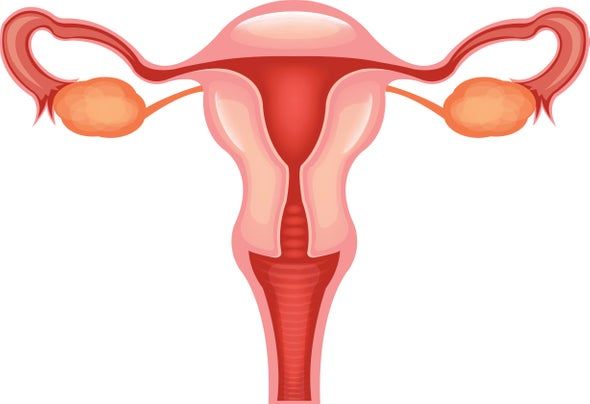
Hysterectomy and fibroid removal are among the most delicate surgical specialties that require exceptional skill and experience.
Dr. Sherif Sobhy has performed numerous successful procedures in this field, relying on his extensive expertise and the latest surgical technologies.
First: Hysterectomy
A hysterectomy is a surgical procedure where the uterus is partially or completely removed. In some cases, the ovaries and fallopian tubes are also removed.
After the operation, menstruation stops and the woman can no longer become pregnant.
Types of Hysterectomy:
- Total hysterectomy: Removal of the uterus and cervix.
- Partial (supracervical) hysterectomy: Removal of the uterus while leaving the cervix intact.
- Hysterectomy with adnexectomy: Removal of the uterus along with the ovaries and fallopian tubes.
Reasons:
- Uterine fibroids
- Cancer of the uterus, cervix, or ovaries
- Endometriosis
- Uterine prolapse
- Abnormal uterine bleeding
- Chronic pelvic pain
Risks:
- Severe bleeding
- Infection
- Injury to surrounding organs (bladder, intestines)
- Hormonal imbalance (if ovaries are removed)
- Psychological effects due to loss of fertility
Why choose Dr. Sherif Sobhy?
- Long-standing expertise in gynecologic surgery
- Individualized treatment plans
- Use of advanced techniques (laparoscopy, robotic surgery)
- Accurate post-operative follow-up
- Clear, compassionate patient communication
- Skilled in managing complex and chronic cases
Second: Myomectomy (Fibroid Removal)
This procedure removes fibroids from the uterus while preserving it, making it ideal for women who wish to maintain their fertility.
What are fibroids?
- Benign tumors that grow in or around the uterus
- May be located in the uterine wall, outside, or inside the cavity
- May be single or multiple
Reasons for Surgery:
- Heavy menstrual bleeding
- Pelvic or back pain
- Pressure on the bladder or bowel
- Infertility or recurrent miscarriage
- Rapid growth or suspicion of malignancy
Surgical Methods:
- Open surgery: Through an abdominal incision
- Laparoscopic surgery: Minimally invasive with small incisions
- Hysteroscopic surgery: Through the vagina and cervix for internal fibroids
Risks:
- Bleeding
- Uterine adhesions
- Infection
- Organ damage
- Recurrence of fibroids
- In rare cases, difficulties in pregnancy or delivery
Dr. Sherif Sobhy’s Expertise:
- Precise evaluation and choice of surgical technique
- Exceptional skill in preserving the uterus
- Use of cutting-edge tools (laser, robotic assistance)
- Comprehensive follow-up for recovery and fertility
- Transparent discussion of all options and outcomes
If you're looking for trust, experience, and safety in women’s surgery, Dr. Sherif Sobhy is the trusted name—by the grace of God.
Laparoscopy in Gynecology and Obstetrics

One of the key services at Dr. Sherif Sobhy’s Clinic.
Where he holds extensive experience in this field.
What is Laparoscopy?
Laparoscopy is a modern surgical technique, also known as minimally invasive surgery. It involves the use of a small camera and delicate instruments inserted through tiny incisions in the skin, rather than performing traditional open surgery.
Applications in Gynecology and Obstetrics
Laparoscopy is used to diagnose and treat disorders of the female reproductive system (uterus, ovaries, and fallopian tubes), offering precise and less invasive solutions.
Types of Laparoscopy:
1. Laparoscopic Surgery
Inserted through a small incision in the navel to visualize the abdomen and pelvis.
Used to treat:
- Ovarian cysts
- Endometriosis
- Pelvic adhesions
- Fibroid removal
- Hysterectomy or oophorectomy
2. Hysteroscopy
Inserted through the cervix with no external incisions.
Used for:
- Polyps or fibroids inside the uterus
- Abnormal uterine bleeding
- Uterine adhesions (Asherman’s syndrome)
- Removal of trapped IUDs
- Investigating infertility
Benefits of Laparoscopic Surgery:
- Less postoperative pain
- Faster recovery and return to daily life
- Reduced blood loss during surgery
- Smaller scars with better cosmetic results
- Higher diagnostic accuracy
- Fertility preservation in many cases
Why Dr. Sherif Sobhy?
He stands out due to his:
Advanced expertise in all types of laparoscopic surgeries
Precision and control using delicate surgical instruments
Accurate diagnosis through high-definition camera systems
Full knowledge of modern techniques like robotic or laser surgery
Careful selection of cases to ensure patient safety
Professional postoperative follow-up to prevent complications
Excellent communication skills to explain all options clearly to patients
Treatment of Infertility – With Dr. Sherif Sobhy

At Dr. Sherif Sobhy’s Center, we offer comprehensive and personalized programs for treating female infertility. Each treatment protocol is tailored based on an accurate medical diagnosis, ensuring the best approach for every individual case.
What Are the Causes of Infertility in Women?
1. Ovulation Disorders
Common Causes:
- Polycystic Ovary Syndrome (PCOS)
- Thyroid dysfunction
- Elevated prolactin levels
- Obesity or being underweight
Treatment:
- Ovulation induction medications (e.g., Clomid, Letrozole)
- Hormonal regulation
- Lifestyle modification (healthy diet and exercise)
2. Fallopian Tube Issues
Causes:
- Blockage or damage due to infections or previous surgeries
- History of ectopic pregnancy
Treatment:
- Surgery to remove the blockage (if applicable)
- IVF (In Vitro Fertilization) in cases of severe blockage
3. Uterine Problems
Causes:
- Fibroids
- Polyps
- Congenital uterine abnormalities
- Intrauterine adhesions (Asherman’s Syndrome)
Treatment:
- Hysteroscopic surgery
- Medical or surgical intervention based on the case
4. Low Ovarian Reserve or Poor Egg Quality
Causes:
- Advanced maternal age (35+)
- Genetic or medical conditions
Treatment:
- Ovarian stimulation with advanced medications
- IVF using the patient’s own eggs or donor/frozen eggs
5. Immune Disorders or Chronic Inflammation
Causes:
- Autoimmune diseases (e.g., Lupus)
- Chronic pelvic infections
Treatment:
- Treat the underlying infection
- Immunological therapies if needed
6. Unexplained Infertility
Affects 10–20% of cases
Treatment:
- Careful ovulation monitoring
- Intrauterine Insemination (IUI)
- IVF when simpler methods are unsuccessful
7. Psychological Factors and Lifestyle
Examples:
- Chronic stress
- Smoking
- Excess caffeine or alcohol
- Poor nutrition
Treatment:
- Lifestyle changes
- Stress reduction techniques
- Psychological support
Diagnostic Steps at Dr. Sherif Sobhy’s Center:
1. Detailed Medical History
- Menstrual cycle regularity
- Hormonal or ovulation symptoms
- Previous attempts to conceive
- Chronic illnesses or surgeries
- Lifestyle habits
2. Laboratory Tests
- Hormonal profile: FSH, LH, AMH, TSH, FT4, Prolactin, Testosterone
- Progesterone test on day 21 of the cycle
3. Clinical Examination and Ultrasound
- Vaginal examination
- Ultrasound imaging of ovaries and uterus
- Ovulation tracking
4. Uterus and Fallopian Tubes Evaluation
- Hysterosalpingography (HSG)
- Hysteroscopy or laparoscopy (if needed)
5. Male Partner Evaluation
- Semen analysis to assess sperm count and quality
After Diagnosis:
Dr. Sherif analyzes all results to determine the root cause—whether ovulation-related, uterine, tubal, immunological, or unexplained—and develops the most suitable treatment protocol for each couple.
Childbirth… the grand finale of a long journey of care

After months of anticipation, the moment of childbirth arrives. Whether it’s natural or cesarean, every birth marks the beginning of a new life.
Types of childbirth:
Vaginal Birth (Natural Delivery):
The physiological method where the baby is delivered through the birth canal.
Advantages:
- Faster recovery.
- Lower risk of infection.
- Natural stimulation of the baby’s breathing.
- Immediate bonding between mother and baby.
Cesarean Section (C-Section):
A surgical procedure where the abdomen and uterus are opened to deliver the baby.
Types:
- Scheduled (before labor starts).
- Emergency (due to sudden complications).
Why is a cesarean chosen?
- Abnormal fetal position.
- Umbilical cord wrapped around the neck.
- Narrow pelvis.
- Placental problems.
- Previous cesarean deliveries.
- Twin or multiple pregnancies.
- Preeclampsia or high blood pressure.
- Labor not progressing.
- Maternal preference in certain cases.
Pain relief protocols:
In natural birth:
Without medical intervention: Breathing exercises, emotional support, warm baths.
With medical intervention: Epidural, IV painkillers, laughing gas.
In cesarean birth:
- Regional anesthesia: Most commonly used (epidural or spinal).
- General anesthesia: In emergency cases.
Post-delivery: Painkillers, patient-controlled morphine pumps, encouragement for early movement.
Possible complications:
Natural birth:
- Vaginal or perineal tears.
- Postpartum hemorrhage.
- Uterine or bladder prolapse.
- Infections.
- Temporary pelvic muscle weakness.
Cesarean section:
- Wound or uterine infection.
- Heavy bleeding.
- Internal adhesions.
- Anesthesia complications.
- Future pregnancy risks (uterine rupture, placenta previa or accreta).
- Slower recovery and mobility difficulties.
Conclusion:
Every birth has its own circumstances and uniqueness. What matters most is that the mother is in the hands of a trusted medical team, like Dr. Sherif Sobhy, to ensure a safe and calm experience from the first consultation to the magical first meeting with her baby.
Read More About Childbirth… the grand finale of a long journey of careArtificial Insemination

Artificial insemination is a medical procedure used to treat infertility. It is one of the assisted reproductive techniques recommended by the physician after thorough evaluation of the couple’s condition.
Also known as Intrauterine Insemination (IUI), this procedure involves placing laboratory-prepared sperm directly into the woman’s uterus at a carefully timed moment that coincides with ovulation, aiming to increase the chances of fertilization.
Procedure Steps
- Ovarian stimulation using specific medications, if needed, to promote the release of one or more eggs.
- Collection of a semen sample from the husband.
- Preparation of the sample in the laboratory to select the highest quality sperm.
- Insertion of the sperm into the uterus using a fine catheter at the optimal time during ovulation.
When Is Artificial Insemination Recommended?
IUI may be suitable in the following cases:
- Mild to moderate decrease in sperm count or motility.
- Irregular ovulation or polycystic ovary syndrome (PCOS).
- Unexplained infertility, where no specific cause is identified.
- Cervical issues that may prevent sperm from passing through naturally.
- As an initial step before progressing to more advanced techniques like IVF/ICSI.
When Is It Not Recommended?
Artificial insemination is not advised in the following situations:
- Blockage in the fallopian tubes.
- Severe male infertility (very low sperm count or poor quality).
- Advanced maternal age combined with low ovarian reserve, where IVF/ICSI may be more appropriate.
Factors Influencing Success
Success depends not only on the medical condition but also on the experience of the medical team.
Dr. Sherif Sobhy is highly experienced in this field and ensures individualized care through:
- Accurate diagnosis and determining whether IUI is the suitable approach.
- Precise timing of the insemination based on ovulation tracking.
- Proper management of ovarian stimulation to avoid overstimulation.
- Advanced laboratory techniques for sperm preparation.
- Providing psychological support and clear communication with the couple throughout the process.
Additional Information
- It is preferable to consider IUI after 12 to 18 months of unsuccessful attempts to conceive.
- Success rates vary but typically range between 10% and 20% per cycle.
- Up to three attempts may be recommended before switching to more advanced techniques.
- Good nutrition and a stable emotional state can enhance the chances of success.
Difference Between IUI and ICSI
Artificial insemination involves inserting sperm into the uterus, allowing fertilization to happen naturally inside the body.
In contrast, Intracytoplasmic Sperm Injection (ICSI) is performed in the laboratory, where a single sperm is injected directly into an egg. ICSI is more suitable for severe male infertility, fallopian tube blockage, or repeated IUI failures.
What Patients Say