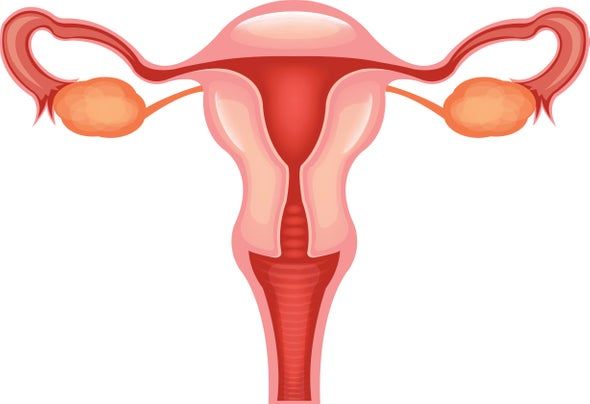
Hysterectomy and Fibroid Removal:
Hysterectomy and Fibroid Treatment at Dr. Sherif Sobhy’s Clinic
Hysterectomy and fibroid removal are among the most delicate surgical specialties that require exceptional skill and experience.
Dr. Sherif Sobhy has performed numerous successful procedures in this field, relying on his extensive expertise and the latest surgical technologies.
First: Hysterectomy
A hysterectomy is a surgical procedure where the uterus is partially or completely removed. In some cases, the ovaries and fallopian tubes are also removed.
After the operation, menstruation stops and the woman can no longer become pregnant.
Types of Hysterectomy:
- Total hysterectomy: Removal of the uterus and cervix.
- Partial (supracervical) hysterectomy: Removal of the uterus while leaving the cervix intact.
- Hysterectomy with adnexectomy: Removal of the uterus along with the ovaries and fallopian tubes.
Reasons:
- Uterine fibroids
- Cancer of the uterus, cervix, or ovaries
- Endometriosis
- Uterine prolapse
- Abnormal uterine bleeding
- Chronic pelvic pain
Risks:
- Severe bleeding
- Infection
- Injury to surrounding organs (bladder, intestines)
- Hormonal imbalance (if ovaries are removed)
- Psychological effects due to loss of fertility
Why choose Dr. Sherif Sobhy?
- Long-standing expertise in gynecologic surgery
- Individualized treatment plans
- Use of advanced techniques (laparoscopy, robotic surgery)
- Accurate post-operative follow-up
- Clear, compassionate patient communication
- Skilled in managing complex and chronic cases
Second: Myomectomy (Fibroid Removal)
This procedure removes fibroids from the uterus while preserving it, making it ideal for women who wish to maintain their fertility.
What are fibroids?
- Benign tumors that grow in or around the uterus
- May be located in the uterine wall, outside, or inside the cavity
- May be single or multiple
Reasons for Surgery:
- Heavy menstrual bleeding
- Pelvic or back pain
- Pressure on the bladder or bowel
- Infertility or recurrent miscarriage
- Rapid growth or suspicion of malignancy
Surgical Methods:
- Open surgery: Through an abdominal incision
- Laparoscopic surgery: Minimally invasive with small incisions
- Hysteroscopic surgery: Through the vagina and cervix for internal fibroids
Risks:
- Bleeding
- Uterine adhesions
- Infection
- Organ damage
- Recurrence of fibroids
- In rare cases, difficulties in pregnancy or delivery
Dr. Sherif Sobhy’s Expertise:
- Precise evaluation and choice of surgical technique
- Exceptional skill in preserving the uterus
- Use of cutting-edge tools (laser, robotic assistance)
- Comprehensive follow-up for recovery and fertility
- Transparent discussion of all options and outcomes
If you're looking for trust, experience, and safety in women’s surgery, Dr. Sherif Sobhy is the trusted name—by the grace of God.
What Our Patients Say
Aliquam a augue suscipit, luctus neque purus ipsum neque dolor primis libero at tempus, blandit posuere ligula varius congue cursus porta feugiat